The short answer
Short videos of a presenter talking to camera about a product, in the style of a creator's phone video, where the presenter is made with AI.
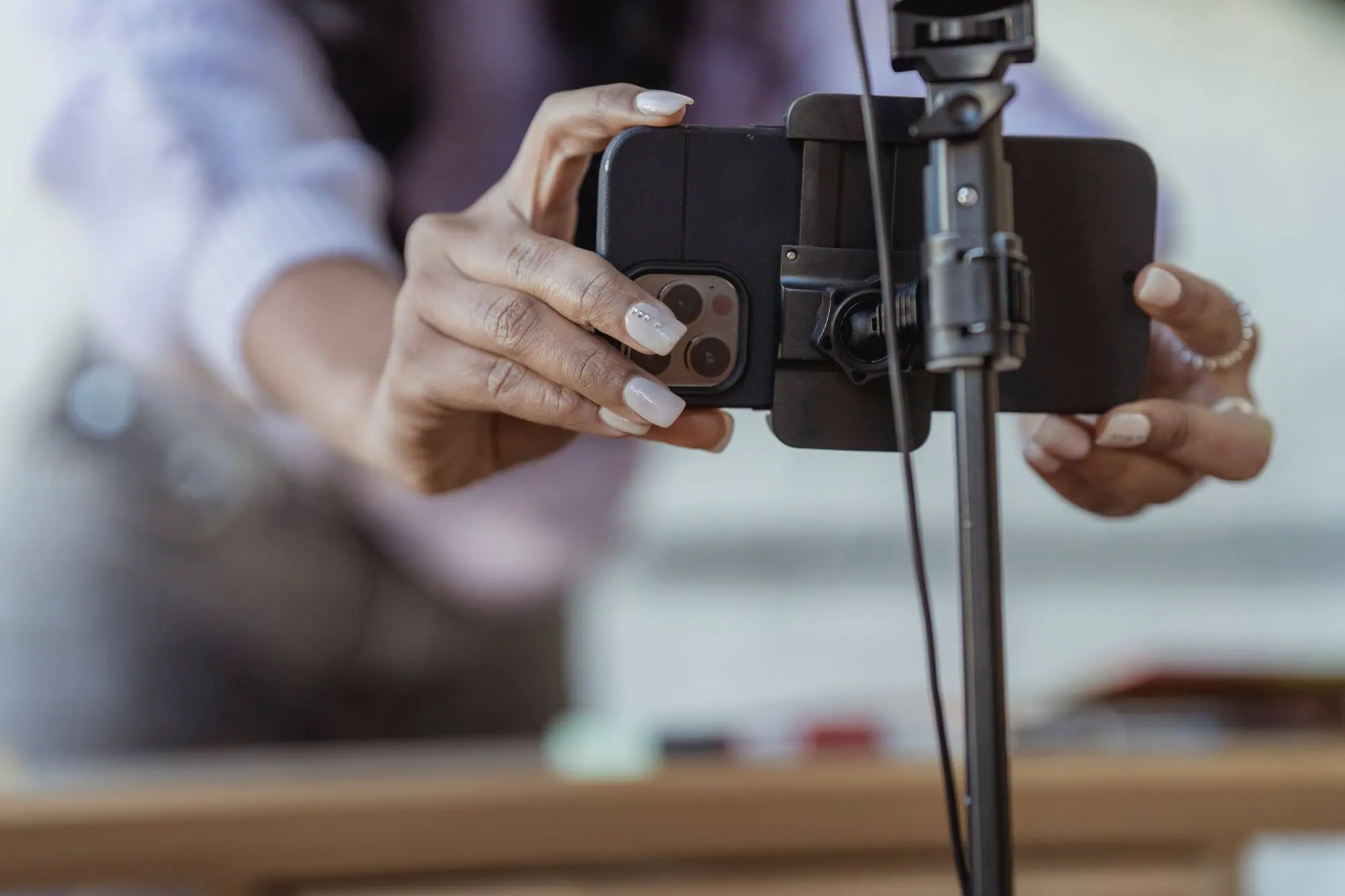
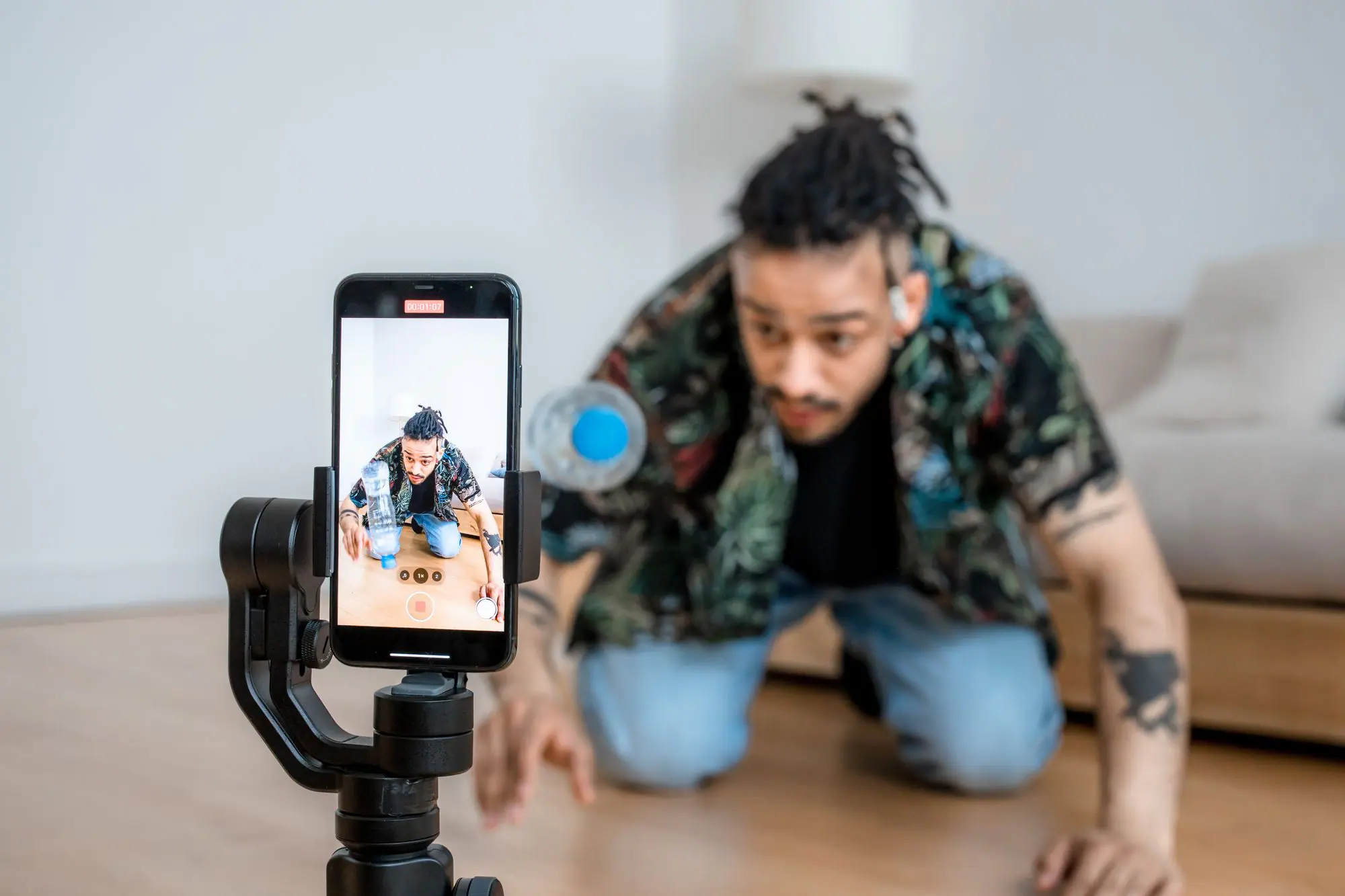
Scroll through Instagram Reels or TikTok for a minute and you'll see them: someone holding a product up to their phone camera, talking as if to a friend. "Okay, I have to show you this." That style is called UGC, and it's become one of the most common kinds of ad on social media. AI UGC ads are the same style, made with an AI presenter instead of a person on camera.
First, what does UGC mean?
UGC stands for user-generated content: photos and videos made by customers and creators rather than by the brand. Brands noticed that these casual, phone-shot videos often performed better as ads than polished studio ones, because they don't look like ads. People stop scrolling for a face talking to them, not for a logo and a jingle.
So a whole industry grew up around making UGC-style ads on purpose. Brands send products to creators, who film short talking-to-camera clips that the brand then runs as ads. It works, but it takes time: finding creators, shipping products, waiting for footage, asking for reshoots.
So what's an AI UGC ad?
It's a short video in that same creator style, where the presenter is generated by AI. You pick a presenter (their look, age, setting and voice), give them a script, and the AI produces a video of them saying it, often holding or showing your product. The result is edited like any other social ad: captions, cuts, music and a call to action at the end.
Nobody is filmed. There's no casting, no shoot day, no shipping products to creators and waiting for them to post. That's the main appeal: you can make many versions quickly and test which ones work.
How one gets made
- The brief: what the product is, who buys it, why they buy it and what makes them hesitate. We cover this in how to brief an AI ad.
- The script: short, spoken-style lines. The first two seconds (the hook) matter most, because that's when people decide whether to keep watching.
- The presenters: a few AI presenters perform each script, so you can see which face and voice suits the product.
- The product shots: your product appears in frame, from your photos or a product you send.
- The edit: captions for people watching with the sound off, cuts to keep the pace up, and versions sized for Reels, TikTok and Stories.
With us, that whole process takes about a week from the brief to finished files.
What a typical one looks like, second by second
Most UGC-style ads follow the same rough shape, whether a person or an AI presenter is in them. For a 20-second ad for a travel water bottle, it might go like this:
- 0 to 2 seconds, the hook: "If your water bottle leaks in your bag, watch this." The presenter holds the bottle up to the camera.
- 2 to 8 seconds, the problem: a quick line about soggy notebooks and bottles that don't fit anywhere.
- 8 to 15 seconds, the product: the bottle folds flat, clicks shut, stays cold. Close-ups of each.
- 15 to 20 seconds, the next step: "It's 20% off this week. Link's below." The offer appears as a caption.
Captions run the whole way through, because most people watch with the sound off. The cuts come every second or two to keep it moving. Nothing about this needs a film crew, which is why the format suits AI so well.
Why businesses use them
- Cost: no creator fees, travel or shoot days.
- Speed: days rather than weeks, which matters for launches, seasonal offers and trends.
- Testing: you can try five different hooks or presenters and see which one people watch, instead of betting everything on one video.
- Consistency: the same presenter can front a series of ads, which is hard to arrange with busy human creators.
Where they fall short
They're not right for everything. AI presenters are good at talking about a product, less good at using it convincingly in complicated ways. If your ad needs someone to apply make-up in real time, try on clothes, or cook a dish from start to finish, real footage is usually better. Some audiences also spot AI video quickly and switch off. And if your product relies on trust in a real person, like a local service, real faces from your own business often work better.
We go through this in more detail in are AI-generated ads worth it for small businesses?.
Keeping them honest
This part matters, and not every AI ad company talks about it. A UGC-style ad copies the look of a real customer's video. That's fine as a style. It's not fine to pretend the presenter is a real customer with a real experience, or to put claims in their mouth your product can't back up.
- In the US, the FTC's rule on fake reviews and testimonials, in force since October 2024, bans testimonials that pretend to come from people who don't exist or didn't use the product. That includes AI-generated ones.
- Meta asks advertisers to disclose when an ad contains AI-generated people or voices, and may label them automatically.
- TikTok requires AI-generated content, including ads, to carry its AI label.
In practice, that means writing AI ads as presenter-led ads ("here's why this bottle is different") rather than fake reviews ("I've used this for six months and my skin changed"), and using the platforms' labels. It also means never using a real person's face or voice without their written permission. We follow all of that as standard. Rules differ by country and change often, so check the current ones where you advertise.
Questions people ask us
- Can people tell it's AI? Some can, especially up close. Good scripts and honest labelling matter more than trying to hide it.
- Can the presenter hold my actual product? Yes, using your product photos or a product you send us, though complicated handling is where AI still looks least natural.
- Can I use the same presenter across several ads? Usually, yes, which helps build familiarity. Presenters from licensed tools aren't exclusive to you, though, so another brand could use the same face.
- Do I own the ads? You can run the finished ads wherever you like. The presenter itself belongs to the tool that made it, which is why we never use a real person's likeness without written permission.
Who they work well for
In our experience, AI UGC ads suit products that can be explained in a sentence or two and shown in a hand: skincare, gadgets, accessories, drinks, pet products, home goods, apps. They also suit businesses that want to test ideas before spending on a bigger shoot. If a hook works well as an AI ad, it's a good sign it'll work when you film it for real.
If you'd like to try a set, our AI UGC ads service covers the scripts, presenters, edit and every size you need, usually in about a week.